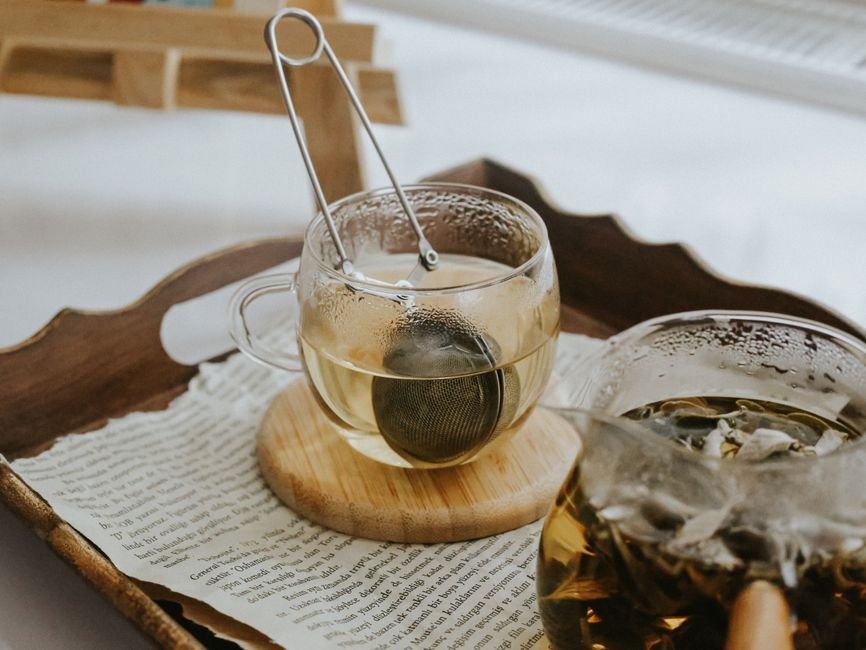
A cup of chamomile at nine at night and a cup of breakfast tea at nine in the morning are not the same kind of drink, even though both arrive in a mug with steam coming off them. One comes from a plant that never made caffeine in the first place. The other comes from Camellia sinensis, the tea plant, and has to be stripped of caffeine if you want it gone.
For those exploring the world of caffeine-free herbal tea, understanding the difference between herbal infusions and traditional tea is essential.
That single difference sits underneath most of what matters about caffeine-free herbal tea in 2026. It shapes flavor. It shapes how a blender assembles a blend. It shapes what a label can honestly promise, and it shapes which cup belongs in which part of your day. Understanding the nuances of Caffeine Free Herbal Tea allows for a more informed choice.
Many people enjoy caffeine free herbal tea for its soothing properties, making it a perfect choice for relaxation.
What Makes a Caffeine Free Herbal Tea?
Shops that sell these blends tend to describe the category the same way: caffeine-free herbal teas come that way naturally, with no chemical process used to remove caffeine. There is no extraction step because there was nothing to extract. The botanical is a leaf, flower, root, seed, or bark from a plant, apart from the tea plant, steeped in hot water just like tea.
When sourcing Caffeine Free Herbal Tea, look for blends that clearly indicate their ingredients and preparation methods.
The older word for this beverage is tisane. A tisane is any infusion made from something apart from Camellia sinensis, and the category is wide. It runs from fruity hibiscus blends to spiced herbals to rooibos chai, and it includes single-ingredient cups like peppermint, ginger, chamomile, and raspberry leaf. Because the source plant never contained caffeine, nothing has to be taken out and nothing has to be put back in.
Caffeine Free Herbal Tea is often celebrated for its diverse flavors and health benefits.
This category includes a beloved option known as Caffeine Free Herbal Tea, which offers a delightful alternative for those avoiding caffeine.
Choosing Caffeine Free Herbal Tea can enhance your wellness routine, offering a flavorful alternative.
This is also why the phrase “naturally caffeine-free” is more than marketing shorthand. It is a description of the raw material. A blend built from whole chamomile flowers, lemon balm leaf, and lavender is not decaffeinated in any sense. It was never caffeinated.
“Caffeine-free” and “decaffeinated” are not the same word.
Understanding the distinctions between caffeine-free and decaffeinated is crucial when selecting Caffeine Free Herbal Tea.
The two labels sit inches apart on the same shelf and get used interchangeably in conversation, but they describe opposite starting points. Caffeine-free means the plant never produced caffeine. “Decaffeinated” means the plant did, and the caffeine was removed afterward, usually through a solvent, water, or carbon dioxide process.
When evaluating options, consider how your choice of Caffeine Free Herbal Tea fits into your daily routine.
Removal has a cost. Decaffeination lowers the polyphenol levels that have been found to be so important for our health in black and green teas. The process is not surgical, so the resulting cup reads as a quieter version of the original. A tisane sidesteps the question entirely, because the plant chemistry was never built around caffeine to begin with.
The quality of Caffeine Free Herbal Tea can also be influenced by how the plants are processed and blended.
| Starting point | How caffeine is handled | What else is affected? | What the cup tastes like |
|---|---|---|---|
| Herbal infusion or tisane | No caffeine is ever present, so no removal step is needed. | Plant compounds arrive as they grow, with no processing loss. | Flavor comes entirely from the botanical, whether floral, minty, or root-deep. |
| Decaffeinated black or green tea | Made from Camellia sinensis, then treated to remove caffeine | Decaffeination lowers polyphenol levels found in the original leaf | A softer version of the tea, changed by the treatment it went through |

Reading a Whole-Leaf Blend Like a Blender
To fully appreciate Caffeine Free Herbal Tea, take the time to learn about the specific botanicals used in your blends.
“Whole leaf” means the botanical arrives intact rather than reduced to fine dust. You can see what you bought. A chamomile flower still looks like a flower. A peppermint leaf still has its shape. For anyone learning to taste carefully, that visibility is essential, because intact material releases aroma in stages as the water works through it.
Most blends are built from two roles. There is a base that carries the body of the cup and gives the other ingredients something to sit on, and there are aromatic herbs that lift the blend and define its character. Mullion-heavy smoke blends use the same logic, and so does a simple evening tea where oat straw or roasted dandelion root holds the floor while lavender and rose float above it.
Blending ratios are the quiet craft in all of these recipes. If the aroma is too strong, the base disappears. Too little and the cup reads flat. Stillleaf’s journal notes on blending ratios exist for exactly that reason: the difference between a balanced infusion and a muddled one is usually a matter of proportion, not ingredient quality.
A Field Guide to Common Caffeine Free Botanicals
Common ingredients in Caffeine Free Herbal Tea include chamomile and hibiscus, known for their soothing qualities.
Labels earn trust when they name the plant precisely. A Latin binomial identifies the exact species, and the plant part tells you what actually went into the tin, since leaf, root, and flower from the same plant can behave very differently in water.
| Botanical | Latin binomial | Part used | Role in a blend |
|---|---|---|---|
| Chamomile | Matricaria chamomilla | Flower | Soft, apple-like base for evening cups |
| Lemon balm | Melissa officinalis | Leaf | Bright citrus lift |
| Holy basil | Ocimum tenuiflorum | Leaf | Clove-tinged aromatic top note |
| Peppermint | Mentha x piperita | Leaf | Cooling, clarifying backbone |
| Lavender | Lavandula angustifolia | Flower | Perfumed accent, used sparingly |
| Rose | Rosa species | Petal | Soft floral mid-note |
| Sage | Salvia officinalis | Leaf | Savory, resinous depth |
| Dandelion root | Taraxacum officinale | Root | Roasted, grounding base |
| Oat straw | Avena sativa | Stem and leaf | Gentle sweetness and body |
| Gotu kola | Centella asiatica | Leaf | Green, faintly bitter structure |
| Rooibos | Aspalathus linearis | Leaf | Warm, rounded base for chai-style blends |
| Hibiscus | Hibiscus sabdariffa | Calyx | Tart, garnet-colored body |
Steeping Whole-Leaf Botanicals: Temperature, Covering, Decanting
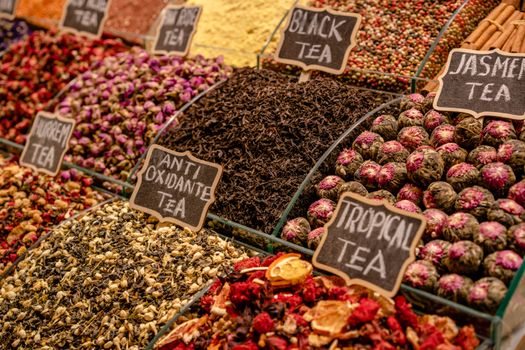
A good preparation guide narrows to three decisions: how hot the water is, whether the vessel stays covered, and when to pour the infusion off the plant material. Each one changes the cup, and none of them require special equipment.
- Water temperature. Match the heat to the plant part rather than treating every botanical the same. Delicate flowers and leaves respond differently from dense roots, and a single blanket instruction usually produces a dull cup from one and a harsh cup from the other.
- Covering. A lid keeps volatile aromatic compounds in the vessel instead of letting them drift off with the steam. This issue matters most with perfumed botanicals like lavender, rose, and holy basil, where the aroma is a large share of the experience.
- Decanting. Pouring the liquid off the solids ends the steeping. Leave the leaves sitting in the water, and the infusion keeps moving, often toward bitterness, long after the cup was at its best.
None of the process is complicated, but it is deliberate. The ritual quality of a slow cup comes from paying attention to steps that are deceptively simple to skip, and the reward is a steep that tastes like the blend the blender intended.
When to Reach for a Caffeine Free Cup
Exploring different varieties of Caffeine Free Herbal Tea can lead to delightful discoveries in flavor and aroma.
The practical case for these infusions is scheduling. Naturally caffeine-free blends are suited to any hour when you want a quiet moment, and that includes the hours when a caffeinated drink would cost you sleep. Retailers commonly recommend caffeine-free options for anyone with a caffeine sensitivity, for people who have trouble catching enough sleep, and for anyone simply looking for more calm in the day.
Herbal teas also go further in flavor than the category’s reputation suggests. The shelf is not limited to plain mint and chamomile. Fruity hibiscus, spiced herbals, citrus-forward lemon balm, and roasted root blends all sit in the same caffeine-free territory, which means the answer to “what do I drink at night” does not have to be the same answer every night.

What to Check Before You Buy
Always check labels for Caffeine Free Herbal Tea to ensure you’re selecting high-quality botanicals.
A label does most of its work in a few lines. Look for the Latin binomial, the plant part, and a clear statement about caffeine. Those three pieces of information separate a botanical product from a flavored powder, and they let you compare two tins on something other than the artwork.
Origin and harvest notes are worth reading too. Stillleaf’s journal covers harvesting and low-and-slow solar drying because those steps shape what arrives in the tin, and a brand willing to describe them is usually a brand willing to be specific elsewhere. If a label is vague about a species or plant part, treat that as a question to ask before you spend money.
Storage matters as well. Whole leaf keeps its aromatic oils far longer than crushed material, provided it stays sealed and away from heat and light. Buy only what you will drink while the blend is still expressive, so the second half of the tin tastes like the first.
Frequently Asked Questions
Is herbal tea always caffeine free?
Herbal tea is caffeine free when it is made from plants other than Camellia sinensis, the tea plant. That covers chamomile, peppermint, rooibos, hibiscus, ginger, and most of what is sold as an herbal blend. Watch for blends that mix true tea leaves with botanicals, since those will contain caffeine even if the label leads with flowers.
What is the difference between caffeine free and decaffeinated tea?
Caffeine-free tea was never caffeinated, because the plant it came from does not produce caffeine. Decaffeinated tea started as black, green, or white tea from the tea plant and had the caffeine removed afterward. That removal process lowers the polyphenol levels found in the original leaf, which is one reason the two categories do not taste or behave the same.
Enjoying Caffeine Free Herbal Tea every day can be a wonderful ritual for those seeking a caffeine-free lifestyle.
Can I drink caffeine free herbal tea every day?
Many people do drink herbal infusions daily, and the lack of caffeine removes one obvious reason to hold back. The more careful answer is that botanicals are not automatically neutral for everyone. If you are pregnant, nursing, managing a health condition, or taking medication, check with a qualified healthcare professional before making a particular herb a daily habit.
Which caffeine free botanicals suit an evening cup?
Chamomile, lemon balm, lavender, rose, and oat straw are common choices for a slower evening steep, often with a grounding base underneath them. Rooibos and roasted dandelion root work well when you want something fuller and warmer. Cover the vessel while it steeps, then decant so the cup stays clean rather than turning bitter.
When selecting your evening Caffeine Free Herbal Tea, consider blends that promote relaxation and comfort.
